
1. Climate: Not a “Crisis,” but the New Normal
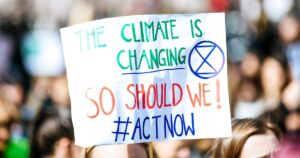
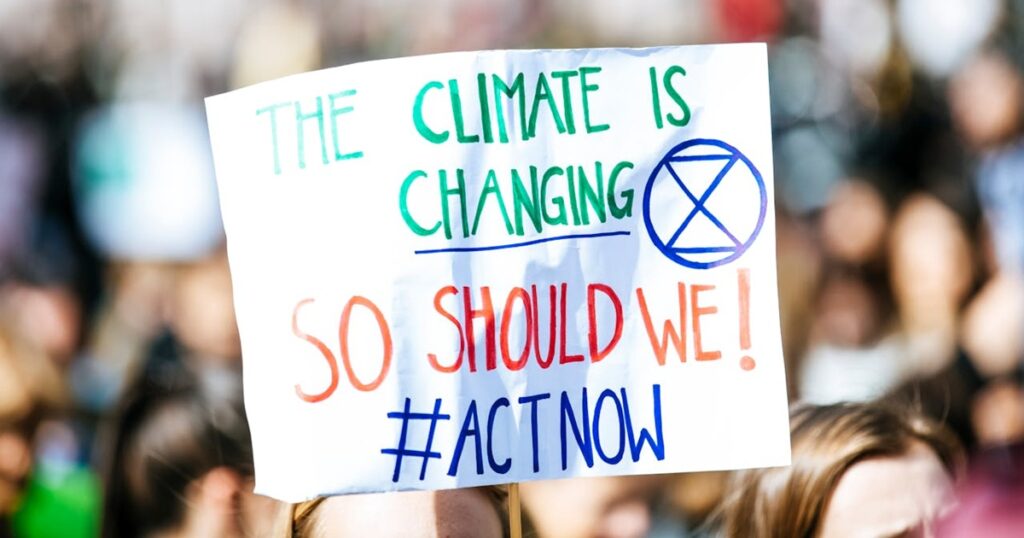
Climate change is no longer discussed as a disaster scenario waiting somewhere in the future. It has become a present-tense reality, reshaping everyday life — from the interior of our homes to the streets we walk, from fashion to architecture.
The scientific framework is clear: as global warming intensifies, the frequency and severity of extreme weather events increase. The social consequences of this shift are felt most strongly through the redesign of daily life itself. (IPCC AR6 Synthesis Report)
2. Why do we call it the “new normal,” not a “crisis”?
Because the scientific community no longer treats climate change as a singular shock, but as a persistent system of risk. Heatwaves, floods, droughts, wildfires, water stress — these are no longer exceptions. They are recurring patterns, unfolding across different geographies with growing regularity.
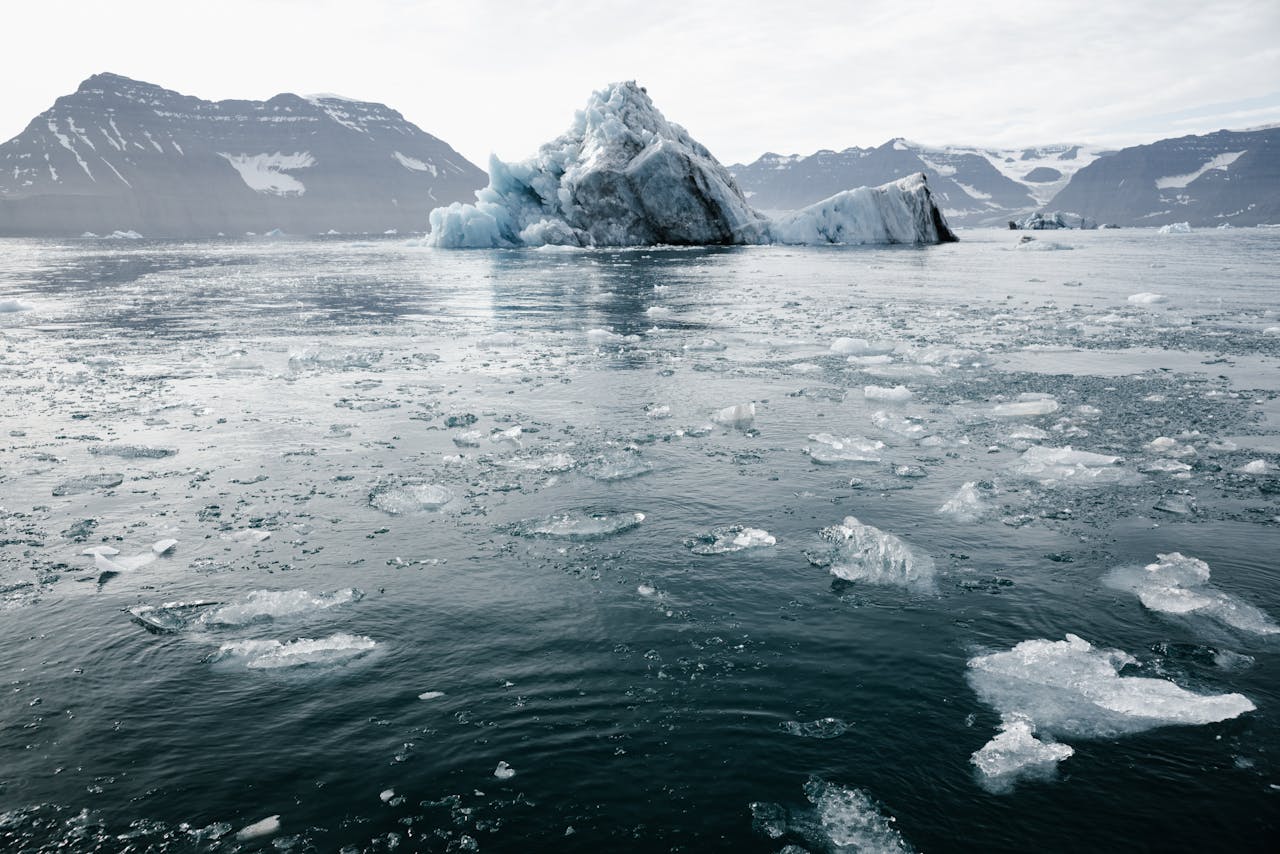
Global climate assessments by the World Meteorological Organization (WMO) underline long-term increases in ocean heat, sea-level rise, and greenhouse gas concentrations, alongside their destabilizing social and economic impacts. (World Meteorological Organization)
3. Why is climate anxiety becoming a lifestyle factor, especially for Gen Z?
Gen Z does not experience climate change as a distant risk, but as a predictable living condition: hotter days, increasingly unstable seasons, and a gradual erosion of physical comfort and health. This psychological backdrop directly influences consumption patterns and identity choices — toward lifestyles that are more minimal, more functional, and more resilient by design.
The scientific basis is well established. While the health impacts of extreme heat are largely foreseeable and, in some cases, preventable, the overall risk is undeniably rising. The World Health Organization (WHO) explicitly highlights the health consequences of extreme heat and the growing need for preparedness and adaptive protection. (World Health Organization)
4. Why is sustainability shifting from “romantic ideal” to “survival aesthetic”?
In the aesthetic landscape of 2026, sustainability moves away from moral signaling and into the realm of functionality:
- cooling fabrics and breathable materials
- architectural elements designed to create shade
- domestic habits that prioritize energy and water efficiency
- urban designs focused on heat resilience
Thescientific foundation for this shift lies in the measurable impact of climate risks — particularly rising temperatures and extreme heat — on health, productivity, and everyday living conditions. The Lancet Countdown systematically tracks these links, from heat exposure and extreme events to air quality and public health outcomes. (The Lancet Countdown)
5. Why are cities becoming less spectacular and more resilient?
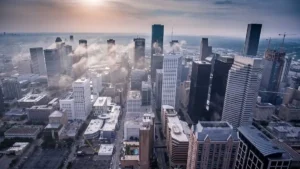
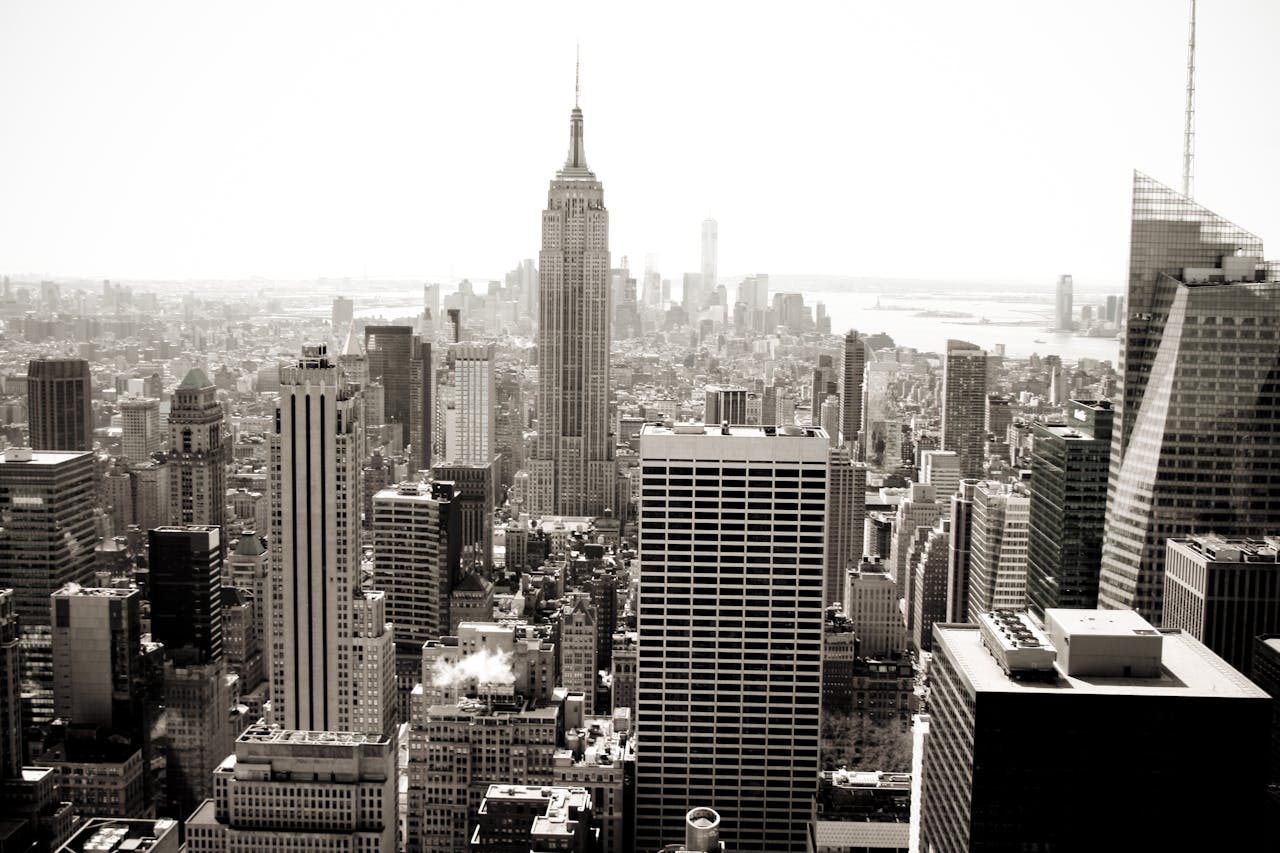
Because cities are the first points of impact when climate stress intensifies. High building density, urban heat-island effects, infrastructure strain, and heightened health risks converge in metropolitan areas. The WHO explains this mechanism clearly: urban centers can be significantly warmer than surrounding regions, and when combined with heatwaves, these conditions dramatically amplify risk. (World Health Organization)
At the European level, assessments of heat-health surveillance and preparedness show how countries are increasingly relying on systems such as heat-health action plans to manage this new normal. (European Environment Agency)
Scientific Forecast Boxes
Forecast Box 01 — Heat Becomes Design
Extreme heat will no longer be treated solely as meteorological data. By 2026, it will function as a core design parameter shaping comfort standards across fashion, architecture, and social life. (World Health Organization)
Forecast Box 02 — Resilience Is the New Luxury
Luxury is shifting away from excess and toward durability and quiet efficiency: coolness, shade, clean air, water access, and secure infrastructure. (World Meteorological Organization)
Forecast Box 03 — The Health Lens Dominates
Climate narratives increasingly center on health — from heat exposure and workforce productivity losses to vulnerability mapping and city-level preparedness systems. (The Lancet Countdown)
Final Editorial Statement (Science-Anchored)
2026 will not be the year of making peace with nature, but the year of negotiating coexistence with it.
Science tells us that climate risks are becoming structural and enduring — and that societies must now manage these risks by redesigning everyday life itself. (IPCC)